Introduction
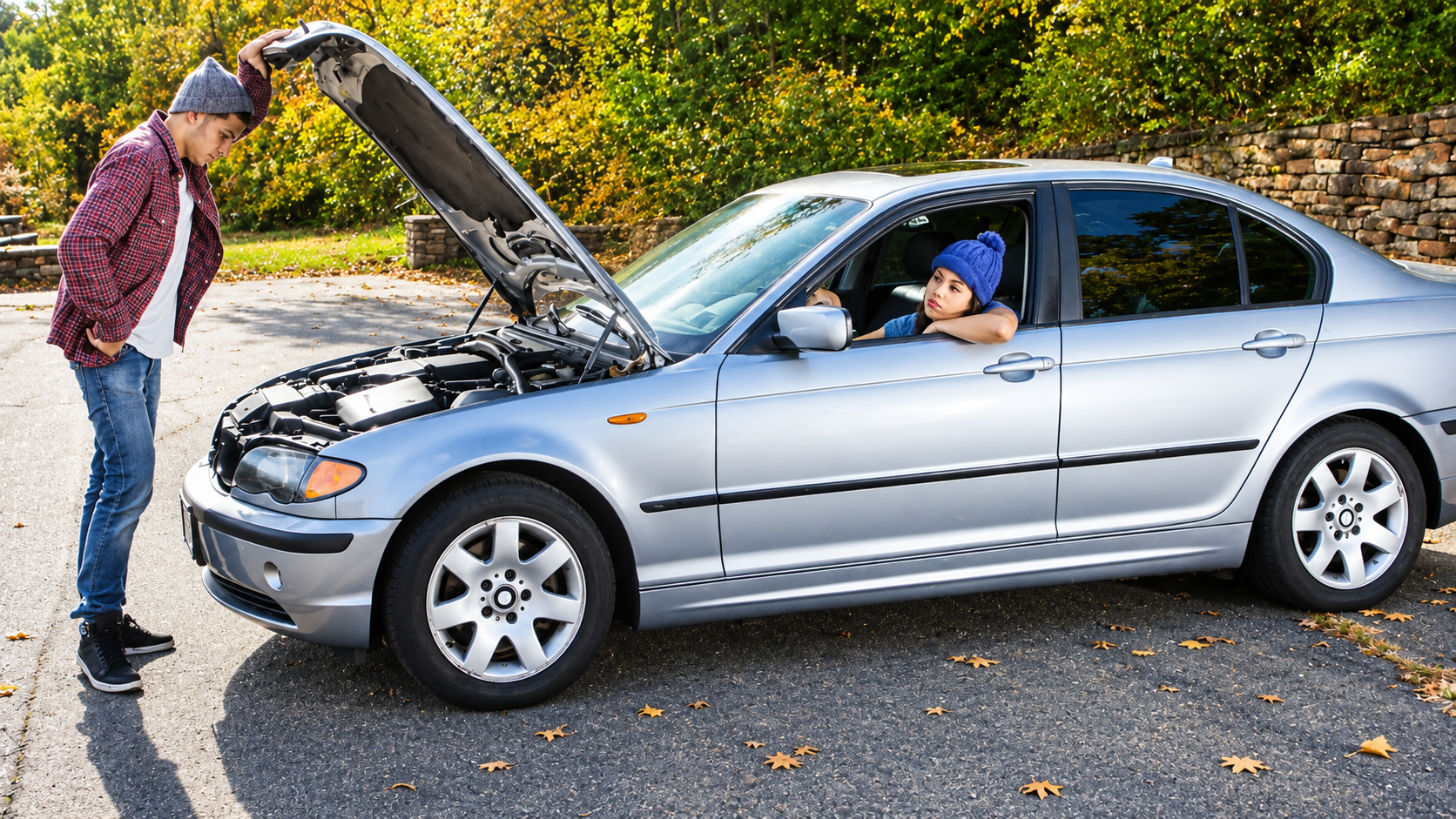
A car breakdown is frustrating anywhere, but it can feel especially stressful when it happens far from home. You might be driving through unfamiliar Miami neighborhoods, heading across town for work, visiting the beach, or traveling along a busy highway when the engine suddenly loses power. You may not know the nearest repair shop, whether the vehicle is safe to drive, or how to get help without leaving yourself exposed to traffic. The first priority is safety, not diagnosing the mechanical problem. A vehicle that stalls in a travel lane, develops a flat tire, overheats, or experiences an electrical failure can put you and other road users at risk. Taking a few careful steps can help you get to a safer location, explain the problem clearly, and arrange the right kind of roadside assistance. For drivers in Miami, knowing what to do immediately after a car breakdown can make an unexpected breakdown easier to manage. This guide covers immediate safety steps, common vehicle problems, when to call for towing, what information to provide, and how to prepare for future roadside emergencies.
What Should You Do First When Your Car Breaks Down Away From Home?
If your car stops working away from home, turn on your hazard lights, maintain control of the vehicle, and move to a safe stopping location if possible. Once you are away from moving traffic, assess the situation and contact roadside assistance or emergency services as needed. The safest response depends on where the vehicle stops and what symptoms it shows. A car that will not start in a shopping center parking lot presents a different risk from one that suddenly loses power on a busy highway.
Step 1: Stay Calm and Control the Vehicle
If the engine begins sputtering, warning lights appear, or the vehicle loses power, avoid sudden steering movements or hard braking unless needed to prevent a collision. Turn on your hazard lights as soon as practical so other drivers can recognize that something is wrong. Use the vehicle's remaining momentum to move toward a safe area if you can do so without creating another hazard. Do not attempt to cross several lanes abruptly to reach a shoulder or exit. If the steering wheel or brake pedal becomes harder to operate after the engine stops, remain alert. Some vehicles lose power assistance when the engine shuts off, making steering or braking require more effort.
Step 2: Find the Safest Available Stopping Place
Whenever possible, move away from active traffic. A parking lot, designated breakdown area, wide shoulder, or nearby safe pull-off may be preferable to stopping in a travel lane. In Miami, heavy traffic, frequent lane changes, and sudden rain can make roadside conditions unpredictable. Do not risk a dangerous maneuver just to reach a more convenient location. If the vehicle cannot be moved and is obstructing traffic, contact emergency services when there is an immediate hazard. Tell the dispatcher your location and explain that the vehicle is disabled in or near a travel lane.
Step 3: Make Yourself Visible and Stay Out of Danger
Keep your hazard lights on while the vehicle is stopped in or near traffic. If remaining inside the car with your seat belt fastened is the safest option, do so while waiting for help. In some situations, a vehicle may be positioned where staying inside presents a serious risk. If you can safely reach a protected area away from traffic, follow that route without walking through active lanes. Never stand directly behind the vehicle or beside it where approaching drivers may not see you. At night, in heavy rain, or on a narrow shoulder, visibility and passing traffic deserve particular attention. Do not assume other drivers will slow down or move over in time.
Step 4: Identify Your Exact Location
A roadside assistance provider needs to know where the disabled vehicle is located. Use your phone's map application to identify the street, nearest intersection, highway exit, mile marker, or recognizable landmark. If you are on a highway, provide the direction you were traveling and any visible exit or road marker. If you are in a parking garage or apartment complex, explain the entrance, level, gate, or access instructions. Accurate information helps the provider determine how to reach you and whether special access arrangements are needed. Review what information you should give a towing company to prepare for your call.
How to Recognize Common Car Problems on the Road
You do not need to diagnose a breakdown yourself, but recognizing the symptoms can help you describe the problem accurately. Avoid attempting repairs in traffic or handling hot, moving, or electrically energized components. Learn the signs you need emergency roadside assistance so you can recognize when continuing to drive may be unsafe.
Engine Overheating
An overheating engine may trigger a temperature warning, display a high reading on the temperature gauge, or produce steam from under the hood. If this happens, find a safe place to stop and switch off the engine when it is safe to do so. Do not remove the radiator cap while the engine is hot. Pressurized coolant can cause severe burns. Allow the vehicle to cool and arrange professional assistance if the temperature warning persists or coolant is leaking. Continuing to drive an overheating vehicle can worsen engine damage. A tow may be safer than trying to reach a repair shop under its own power. Learn when it is time to call a towing company instead of trying to drive.
Dead Battery or Starting Problems
A weak or dead battery may cause the engine to crank slowly, produce clicking sounds, or fail to start. Electrical lights may also appear dim, although these symptoms can have other causes. A jump-start may help if the problem is a discharged battery and the vehicle is otherwise safe to operate. However, a battery problem can sometimes indicate a charging-system fault or another electrical issue. If you are unsure how to jump-start the vehicle safely, request professional battery assistance. Modern vehicles may have specific jump-starting points and procedures, so follow the owner's manual. Read about common situations where you'll need a jump-start service.
Flat Tire or Tire Damage
A flat tire can cause the vehicle to pull to one side, vibrate, or produce a thumping sound. If you suspect a tire failure, reduce speed gradually and move to a safe location rather than braking sharply. Do not continue driving on a flat tire unless moving the vehicle a very short distance is necessary to avoid immediate danger. Doing so can damage the wheel and make the situation worse. If the car is stopped beside fast-moving traffic or the ground is unstable, emergency flat tire assistance in Miami is often safer than attempting a roadside tire change yourself.
Engine Failure or Sudden Loss of Power
A vehicle may stall because of fuel delivery problems, electrical faults, overheating, or mechanical failure. Warning lights, unusual noises, smoke, or fluid leaks can provide useful clues, but they do not always reveal the cause. If the vehicle loses power repeatedly, makes a loud knocking noise, emits smoke, or develops a burning smell, stop driving when safe and seek professional help. Explain the symptoms to the roadside technician instead of trying to restart the engine repeatedly.
Should You Call Roadside Assistance or a Tow Truck?
The right service depends on the problem, the vehicle's condition, and where it has stopped. Roadside assistance may resolve a minor issue at the scene, while towing is appropriate when the vehicle cannot be driven safely or requires repair elsewhere. Understanding the different types of towing services can help you identify the appropriate option.
When Roadside Assistance May Be Enough
Roadside assistance can help with problems that may be resolved without transporting the vehicle. Depending on the provider, services may include:
Battery jump-starts.
Flat tire assistance.
Emergency fuel delivery.
Vehicle lockout assistance.
Minor roadside support.
For example, if your car is safely parked in a shopping center and the battery is discharged, a jump-start may get you moving again. If the engine starts but immediately overheats, however, continuing the trip could be unsafe, and towing may be the better choice.
When Towing Is the Safer Option
A tow truck may be necessary if the vehicle has serious mechanical damage, cannot restart, has a damaged wheel or suspension, or is unsafe to drive. Towing can also be appropriate after an accident or when a warning indicates that continued driving could cause further damage.
Consider requesting a tow if:
The engine overheats repeatedly.
The vehicle produces smoke or a strong burning smell.
A tire, wheel, or suspension component is severely damaged.
The brakes do not work normally.
The vehicle cannot maintain power or repeatedly stalls.
There is substantial collision damage or a fluid leak.
Tell the provider what happened and ask whether a flatbed or another towing method is appropriate for your vehicle. All-wheel-drive vehicles, low-clearance cars, and vehicles with certain mechanical problems may have specific towing requirements.
What If Your Car Breaks Down After an Accident?
If a collision has occurred, check for injuries and contact emergency services when necessary. Move away from traffic if it is safe to do so, and do not stand near damaged vehicles that could move or present other hazards. Avoid attempting to drive a vehicle with visible structural damage, leaking fluids, damaged steering, or compromised wheels. Even if the engine still runs, the vehicle may not be safe to operate. Once immediate safety concerns have been addressed, arrange appropriate emergency towing after an accident. Share the location, vehicle condition, and any access restrictions with the service provider.
How to Request Roadside Assistance in Miami
A clear request helps the dispatcher understand what happened and identify the appropriate service. You do not need to know the exact mechanical cause; accurate observations are more useful than guessing.
Information to Provide When You Call
Prepare the following details if you can do so safely:
Your location: Give the street, intersection, highway exit, mile marker, or nearby landmark.
Vehicle information: Share the make, model, approximate year, and color.
The problem: Explain whether the vehicle will not start, has a flat tire, is overheating, or has suffered accident damage.
Vehicle condition: Say whether it starts, rolls, steers, and can be shifted into neutral, if known.
Safety concerns: Mention if you are blocking traffic, on a narrow shoulder, in a garage, or in another difficult location.
Your destination preference: If towing is required, explain where you would like the vehicle taken and ask about any associated charges.
Do not put yourself at risk to gather information. If you are stranded in an unsafe location, call for help first and provide whatever details you can.
Questions to Ask Before Service Begins
Once you have explained the problem, confirm the service details. Ask what service is recommended, what it will cost, and whether the quoted amount includes mileage, labor, or other expected charges. You can also ask for an estimated arrival time, although traffic and weather may affect it. If towing is needed, confirm the destination and whether additional fees could apply. Clear communication helps prevent misunderstandings. If the technician finds a different problem on arrival, ask for an explanation and revised estimate before authorizing work beyond the agreed service.
What Makes a Breakdown in Miami Different?
Miami's road and weather conditions can add complications to an ordinary vehicle breakdown. Drivers may encounter congested roads, sudden tropical downpours, limited shoulder space, and unfamiliar routes while traveling for work or leisure. Access to 24/7 roadside help in Miami can be valuable when unexpected vehicle problems disrupt your plans.
Heavy Traffic and Limited Stopping Space
Busy roads can make it difficult to move a disabled car out of traffic. Drivers may also be approaching intersections, ramps, or lane merges where a stopped vehicle creates a hazard. If your vehicle loses power, focus on safe control and getting out of moving traffic if possible. Do not attempt repairs in a live lane or walk across traffic to find help.
Heavy Rain and Reduced Visibility
South Florida rain can develop quickly and reduce visibility. Wet pavement may also make it harder for other drivers to stop safely around a disabled vehicle. Use your hazard lights, avoid standing beside traffic, and give the roadside provider clear information about the conditions. If water is rising around the vehicle or the road is flooding, do not attempt to drive through floodwater. Move to a safe location and follow emergency guidance.
Heat and Passenger Safety
High temperatures can make waiting inside or outside a disabled vehicle uncomfortable and potentially unsafe, particularly for children, older adults, pets, or people who are vulnerable to heat. If the air conditioning stops working, consider the safety of everyone in the vehicle. Do not leave children or pets unattended in a hot car. If anyone shows signs of heat illness or another medical emergency, contact emergency services.
Breakdowns in Parking Garages or Restricted Areas
A vehicle may stop in a hotel garage, apartment complex, office building, or other location with height restrictions and controlled access. Standard tow trucks may not be able to enter every garage. Tell the towing company about height limits, narrow ramps, security gates, and the vehicle's exact level or location. This information can help determine what equipment and access arrangements are necessary. For more information, see vehicle recovery services explained.
How Much Does Roadside Assistance or Towing Cost in Miami?
There is no single price for every breakdown. The cost depends on the service required, the vehicle, the distance involved, the location, and the time or conditions under which help is needed. You can learn more about how much a tow truck costs in Miami. A battery jump-start or lockout service may be priced differently from a long-distance tow or accident recovery. Difficult access, special equipment, after-hours service, or extra labor may also affect the total. Before agreeing to service, ask for an estimate and clarify what it covers. Confirm whether the price includes the service call, mileage, labor, and any additional charges that may apply. If your insurance policy, vehicle warranty, or roadside membership offers assistance, check the coverage limits and whether you must use an approved provider. Do not select a provider based on a low advertised price alone. A clear estimate and an explanation of the work are more useful than a vague promise of a cheap tow.
How to Prepare for a Future Roadside Emergency
You cannot prevent every breakdown, but a few habits can make an unexpected stop easier to manage.
Keep Useful Information in Your Vehicle
Save the contact details for your roadside assistance provider and know how to access your insurance or membership information. Keep your phone charged and consider carrying a charging cable or power bank. It can also help to know your vehicle's basic operating instructions, including warning lights, recommended tire pressure, and the manufacturer's guidance for jump-starting or towing.
Pay Attention to Warning Signs
Unusual noises, repeated warning lights, fluid leaks, vibrations, sluggish starting, and changes in braking or steering can indicate a developing problem. Arrange an inspection rather than ignoring symptoms until the vehicle stops unexpectedly. Regular maintenance, including tire checks, battery inspections, and fluid checks, can reduce the risk of some roadside failures. Follow the maintenance schedule recommended for your vehicle.
Keep a Basic Emergency Kit
Consider carrying drinking water, a flashlight, a reflective item or vest, a phone charger, and basic first-aid supplies. Store items securely so they do not become projectiles during sudden braking. An emergency kit does not replace professional assistance, and you should not use roadside equipment if doing so would expose you to traffic or other hazards. Safety should always come before attempting a repair.
Common Mistakes to Avoid During a Breakdown
Small decisions can make a difficult situation more dangerous. Avoid these common mistakes:
Stopping in an unsafe location when a safer option is reachable: Move away from active traffic if you can do so safely.
Trying to repair the car beside moving traffic: Wait for professional assistance rather than risking injury.
Continuing to drive with serious warning signs: Overheating, brake problems, smoke, or major tire damage may require towing.
Giving vague location information: Share road names, directions, exits, and landmarks when possible.
Accepting unclear towing charges: Ask what the estimate includes before authorizing the service.
Assuming every breakdown needs a tow: A jump-start, fuel delivery, or flat tire service may be enough for some problems.
Assuming roadside assistance can fix every issue: Some vehicles require diagnosis or repairs at a shop.
The goal is to protect yourself, understand the available options, and arrange the right type of help without taking unnecessary risks.
Conclusion
If your car stops working away from home in Miami, prioritize safety before trying to identify the mechanical problem. Turn on your hazard lights, move away from traffic if possible, find a safe place to wait, and provide an accurate location when requesting help. Roadside assistance may be sufficient for a dead battery, flat tire, lockout, or empty fuel tank. A vehicle with serious mechanical damage, overheating, brake problems, or accident damage may need towing instead. Ask about the service, estimate, arrival time, and destination before authorizing non-emergency work. A&G Towing Services provides towing and roadside assistance in Miami and surrounding areas, including help for drivers dealing with common roadside problems. Keeping assistance information available and paying attention to vehicle warning signs can make future breakdowns easier to manage. A breakdown may disrupt your plans, but a calm response, safe decisions, and clear communication can help you get through it with less uncertainty.
Frequently Asked Questions
1. What should I do if my car breaks down far from home?
Turn on your hazard lights and move to a safe location away from traffic if possible. Once safe, identify your location and call roadside assistance or a towing provider. Explain the vehicle's symptoms and any safety concerns.
2. Should I stay inside my car while waiting for a tow truck?
It depends on where the vehicle is stopped. If the car is safely parked, staying inside may be appropriate. Beside fast-moving traffic, assess whether you can safely reach a protected area away from vehicles and follow any instructions from emergency personnel.
3. How do I know whether I need roadside assistance or towing?
Roadside assistance may resolve a dead battery, flat tire, lockout, or empty fuel tank. Towing is more appropriate if the vehicle cannot be driven safely, has serious mechanical damage, or will not restart after basic assistance. Describe the symptoms to the provider for guidance.
4. What information should I give a towing company?
Provide your exact location, vehicle make and model, a description of the problem, and whether the vehicle starts, rolls, or steers. Mention hazards, restricted access, or garage height limits. If towing is needed, confirm the intended destination.
5. Can I drive my car if the engine overheats?
Driving with an overheating engine can cause serious damage. Pull over safely, turn off the engine, and allow it to cool. Never remove the radiator cap while the engine is hot. If the warning persists or coolant is leaking, arrange professional assistance.
6. What should I do if my car breaks down on a highway?
Turn on your hazard lights and move toward a safe stopping area if possible without making dangerous maneuvers. Avoid walking across traffic or attempting repairs in a live lane. Contact emergency services if the vehicle creates an immediate traffic hazard.
7. Does car insurance cover towing after a breakdown?
Coverage depends on your policy. Some policies include roadside assistance or towing benefits, while others require separate coverage. Check your policy limits, approved-provider rules, mileage restrictions, and possible out-of-pocket costs.
8. How much does a tow truck cost in Miami?
Towing costs vary according to distance, vehicle type, location, time, and the equipment or labor required. Ask for an estimate that explains the service call, mileage, and potential additional charges before agreeing to the tow.
9. What should I do if my car breaks down in heavy rain?
Turn on your hazard lights and move to a safe location if possible. Avoid walking beside moving traffic or attempting roadside repairs in poor visibility. If flooding threatens the vehicle or your safety, move to higher ground when safe and follow emergency instructions.
10. How can I reduce the chances of a roadside breakdown?
Follow your vehicle's maintenance schedule, check tires and fluid levels, pay attention to warning lights, and address unusual noises or starting problems early. Keep roadside assistance information available and maintain a basic emergency kit in your vehicle.
