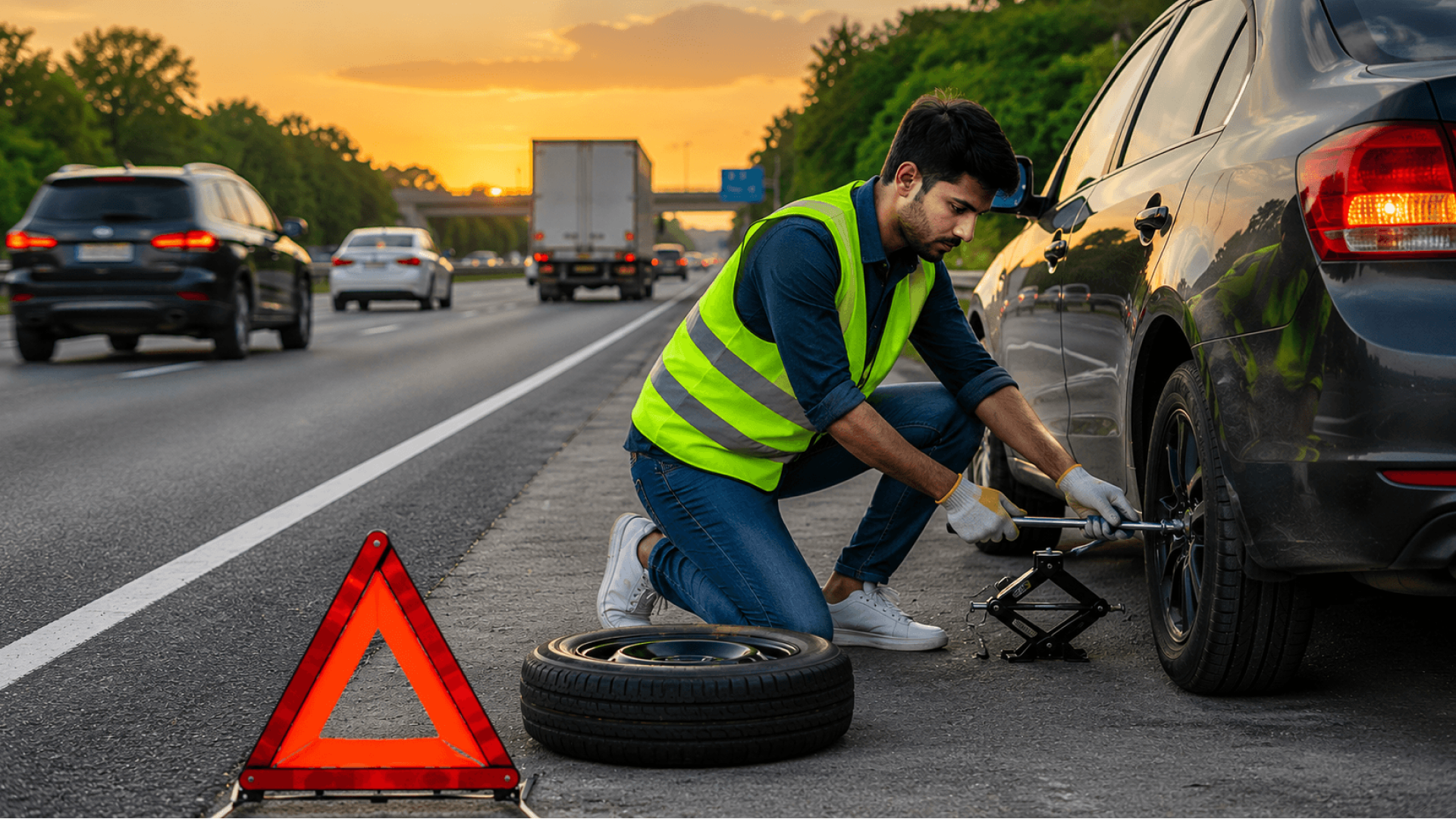
A flat tire can happen without warning, whether you're commuting to work, heading to Miami Beach, running errands downtown, or traveling on one of South Florida's busy highways. One moment your vehicle is driving normally, and the next you're dealing with a tire that has lost air, suffered a puncture, or completely blown out. Knowing what to do in those first few minutes can make the situation safer, less stressful, and easier to resolve.
If you're searching for emergency flat tire help in Miami, it's important to understand your options. While some flat tires can be addressed with a roadside tire change, others require professional towing service or additional roadside assistance. The right response depends on the type of tire damage, your location, traffic conditions, and whether your vehicle can be driven safely.
A&G Towing Services provides 24/7 roadside assistance throughout the Miami area, including emergency flat tire service, towing, jump starts, fuel delivery, vehicle lockouts, and vehicle recovery. Their experienced team helps drivers get back on the road as quickly and safely as possible when unexpected roadside problems occur.
In this guide, you'll learn what causes flat tires, what to do immediately after discovering one, when roadside tire service is enough, when towing is the safer solution, and how to reduce your chances of experiencing another tire emergency.
Why Flat Tires Are So Common in Miami
Miami drivers face unique road conditions that can increase the risk of tire damage. Heavy traffic, frequent construction projects, debris on highways, potholes, intense summer heat, and long daily commutes all contribute to tire wear and unexpected flats.
Some of the most common causes include:
Nails and screws left on roadways
Construction debris
Sharp metal objects
Potholes
Curbs
Underinflated tires
Overinflated tires
Worn tire tread
Sidewall damage
Tire aging
Heat-related tire failure
Because tire problems often occur unexpectedly, knowing what to do immediately after a car breakdown in Miami safely is essential.
What Should You Do Immediately After Getting a Flat Tire?
If your tire goes flat while you're driving, your first priority should always be safety.
Stay Calm and Keep Control
A flat tire may cause your vehicle to pull toward one side or feel unstable. Avoid making sudden steering movements or braking aggressively. Instead:
Grip the steering wheel firmly.
Gradually reduce speed.
Allow the vehicle to slow naturally.
Turn on your hazard lights.
Remaining calm helps you maintain control and reduces the risk of an accident.
Move to a Safe Location
Whenever possible, move completely out of traffic before stopping. Safe places include:
Parking lots
Wide road shoulders
Rest areas
Side streets
Driveways
If you're on a busy highway such as I-95, Florida's Turnpike, or US-1, avoid stopping in travel lanes unless absolutely necessary. Following top safety tips while waiting for a tow truck in Miami can help protect you and your passengers.
Turn On Your Hazard Lights
Hazard flashers make your disabled vehicle more visible to approaching traffic. If it's safe, use reflective warning triangles or emergency markers to improve visibility.
Assess the Tire Damage
After reaching a safe location, inspect the tire if conditions allow. Look for:
Nails
Screws
Sidewall cuts
Large punctures
Completely shredded tires
Bent wheels
Tire separation
Avoid placing yourself in danger by inspecting the vehicle too close to moving traffic.
How Can You Tell If You Need Roadside Tire Service?
Many flat tires can be resolved without towing. Roadside tire assistance is often appropriate when:
You Have One Flat Tire: If only one tire has lost air and the vehicle has no additional mechanical damage, replacing it with a spare tire is often the quickest solution.
Your Spare Tire Is Usable: Your spare should be properly inflated, undamaged, and correctly sized for your vehicle. Many compact spare tires are intended only for temporary use and lower speeds.
The Wheel Is Undamaged: If the rim remains intact and only the tire has been damaged, roadside tire replacement is often possible.
The Vehicle Is Safe to Operate: There should be no evidence of steering damage, suspension problems, brake issues, or collision damage.
Once the spare is installed, you can typically drive carefully to a repair facility. To understand what happens during this type of call, check out this guide on what happens during a professional flat tire assistance call.
When Is Towing the Better Option?
Not every flat tire can be safely handled with a roadside tire change. Professional towing may be necessary if:
Multiple Tires Are Damaged: One spare tire cannot solve multiple flat tires.
The Wheel Is Bent or Cracked: A damaged wheel may prevent even a new tire from sealing properly. Driving on a bent rim can affect steering and vehicle stability.
The Tire Suffered a High-Speed Blowout: A blowout may also damage brake components, suspension, wheel wells, and body panels. The vehicle should be inspected before returning to the road.
Sidewall Damage Is Present: Unlike many tread punctures, sidewall damage generally cannot be repaired safely. Examples include large cuts, bulges, exposed cords, or tears.
You Don't Have a Spare Tire: Many modern vehicles no longer include full-size spare tires. Instead, manufacturers may provide tire repair kits, inflator systems, or run-flat tires. If these solutions aren't effective, towing may be required.
You're in an Unsafe Location: Changing a tire beside fast-moving traffic is dangerous. Professional roadside assistance can determine whether it's safe to perform a tire change or whether towing is the better option. Knowing how professional towing prevents further vehicle damage can provide peace of mind in these critical situations.
Why You Should Never Continue Driving on a Flat Tire
Many drivers attempt to "make it" to the nearest repair shop. Unfortunately, why driving on a flat tire can lead to bigger vehicle issues comes down to structural integrity.
Driving on a flat tire can severely damage:
Wheels and rims
Suspension systems
Brake components
Steering systems
Tire pressure monitoring sensors (TPMS)
Additionally, learn more about the hidden damage a flat tire can cause and how fast repairs help keep your total vehicle repair costs minimal, as a repairable tire can quickly become completely unusable after being driven while flat.
Common Warning Signs Before a Tire Goes Flat
Many tire failures provide warning signs before complete air loss occurs. Watch for:
Tire Pressure Warning Light: Modern vehicles often alert drivers when tire pressure drops below recommended levels. Don't ignore this warning.
Steering Pull: If your vehicle begins drifting toward one side, one tire may be losing air.
Vibration: Excessive vibration at highway speeds may indicate tire damage or internal tire failure.
Visible Tire Damage: Inspect tires regularly for cuts, bulges, cracks, or uneven tread wear.
Early detection often prevents roadside emergencies. If you notice these issues early, it is helpful to review the signs you need emergency roadside assistance instead of driving further.
How Professional Flat Tire Assistance Helps
Roadside tire service offers several advantages over attempting repairs yourself.
Faster Service: Professional technicians have the tools and experience to replace tires efficiently.
Increased Safety: Roadside professionals perform tire changes using proper lifting equipment and safety procedures, showing how flat tire services support safer driving on busy Miami streets.
Proper Equipment: Technicians typically carry hydraulic jacks, heavy-duty lug nut tools, air compressors, and specialized tire service equipment.
Vehicle Inspection: During the service, technicians can identify additional issues that may require attention. If necessary, towing can be arranged immediately.
Other Roadside Services That Often Go Hand in Hand
Flat tires aren't always the only issue drivers experience. Roadside assistance providers commonly offer:
Jump Starts
Dead batteries frequently occur while vehicles are parked. A professional jump start service can restore power safely. For more guidance, see what to do if your car battery dies in a parking lot.
Fuel Delivery
Running out of fuel can happen unexpectedly. Emergency fuel delivery helps drivers avoid long, dangerous walks to gas stations on busy highways.
Vehicle Lockout Assistance
Locked keys inside a vehicle require specialized tools for safe entry without damaging the vehicle. Utilizing a professional vehicle lockout service ensures you don't scratch your paint or damage your window seals.
Vehicle Recovery
Vehicles stuck in mud, sand, standing water, or ditches require professional vehicle recovery equipment beyond standard towing.
Having access to 24/7 roadside help: why it's essential for Miami's fast-paced lifestyle means one call can address a variety of unexpected situations.
How to Reduce the Risk of Future Flat Tires
Preventative maintenance remains the best defense against tire emergencies.
Check Tire Pressure Monthly: Proper inflation improves tire life, fuel efficiency, handling, and overall safety.
Inspect Tires Regularly: Look for embedded nails, uneven wear, sidewall cracks, or bulges.
Rotate Tires: Routine rotation promotes even tread wear and extends tire life.
Replace Worn Tires: Driving on excessively worn tires significantly increases the risk of punctures and blowouts.
Avoid Road Hazards: Whenever possible, steer clear of potholes, construction debris, curbs, and sharp objects.
Small driving habits and regular checkups can significantly reduce tire damage over time.
Why Fast Emergency Flat Tire Help Matters in Miami
Miami's busy roads and year-round traffic make roadside safety especially important. Whether you're traveling through downtown Miami, Brickell, Coral Gables, Kendall, Doral, Hialeah, or nearby communities, being stranded with a flat tire can expose you to unnecessary risks—particularly during rush hour or severe weather.
Prompt roadside assistance helps minimize your time on the roadside while ensuring your vehicle is handled safely. A&G Towing Services offers emergency flat tire assistance along with towing and other roadside services, providing dependable support for drivers facing unexpected vehicle issues throughout the Miami area.
Frequently Asked Questions
What should I do immediately after getting a flat tire in Miami? Slow down gradually, turn on your hazard lights, and move to a safe location away from traffic before inspecting the tire or calling for assistance.
Can roadside assistance replace my flat tire? Yes. If you have a usable spare tire and the wheel isn't damaged, roadside assistance can often install it on-site.
When do I need towing instead of a tire change? Towing is generally recommended if the wheel is damaged, multiple tires are flat, there's suspension or collision damage, or your vehicle can't be driven safely.
Is it safe to drive on a flat tire for a short distance? No. Driving on a flat tire can damage the tire, wheel, suspension, and braking system, turning a minor issue into a more expensive repair.
How long does a roadside tire change usually take? Most professional tire changes are completed within 20 to 40 minutes, depending on your vehicle, location, and road conditions.
What if my vehicle doesn't have a spare tire? Many newer vehicles rely on repair kits or run-flat tires. If those options aren't suitable, roadside assistance can arrange towing to a repair facility.
Can hot Miami weather increase the risk of tire problems? Yes. High temperatures can increase tire pressure, accelerate wear, and contribute to blowouts, especially if tires are underinflated or already damaged.
What other roadside services are available during a flat tire emergency? Many providers also offer jump starts, fuel delivery, lockout assistance, and vehicle recovery if additional issues are discovered.
Conclusion
Experiencing a flat tire is never convenient, but knowing what to do during a flat tire emergency in Miami can make the situation much less stressful. By moving to a safe location, assessing the damage carefully, and understanding when a roadside tire change is appropriate versus when towing is the safer choice, you can protect yourself, your passengers, and your vehicle.
Routine tire maintenance, regular pressure checks, and prompt attention to warning signs can help reduce the likelihood of future roadside emergencies. When a flat tire does occur, responding quickly and safely is the key to minimizing delays and preventing additional vehicle damage.
Need Emergency Flat Tire Help in Miami?
If you experience a flat tire, blowout, dead battery, lockout, fuel shortage, or another roadside emergency, A&G Towing Services is available 24/7 to provide professional roadside assistance throughout the Miami area. Visit the A&G Towing Services website to learn more about their flat tire service, towing solutions, and other emergency roadside services designed to help you get back on the road safely and efficiently or visit their contact us page for immediate support.