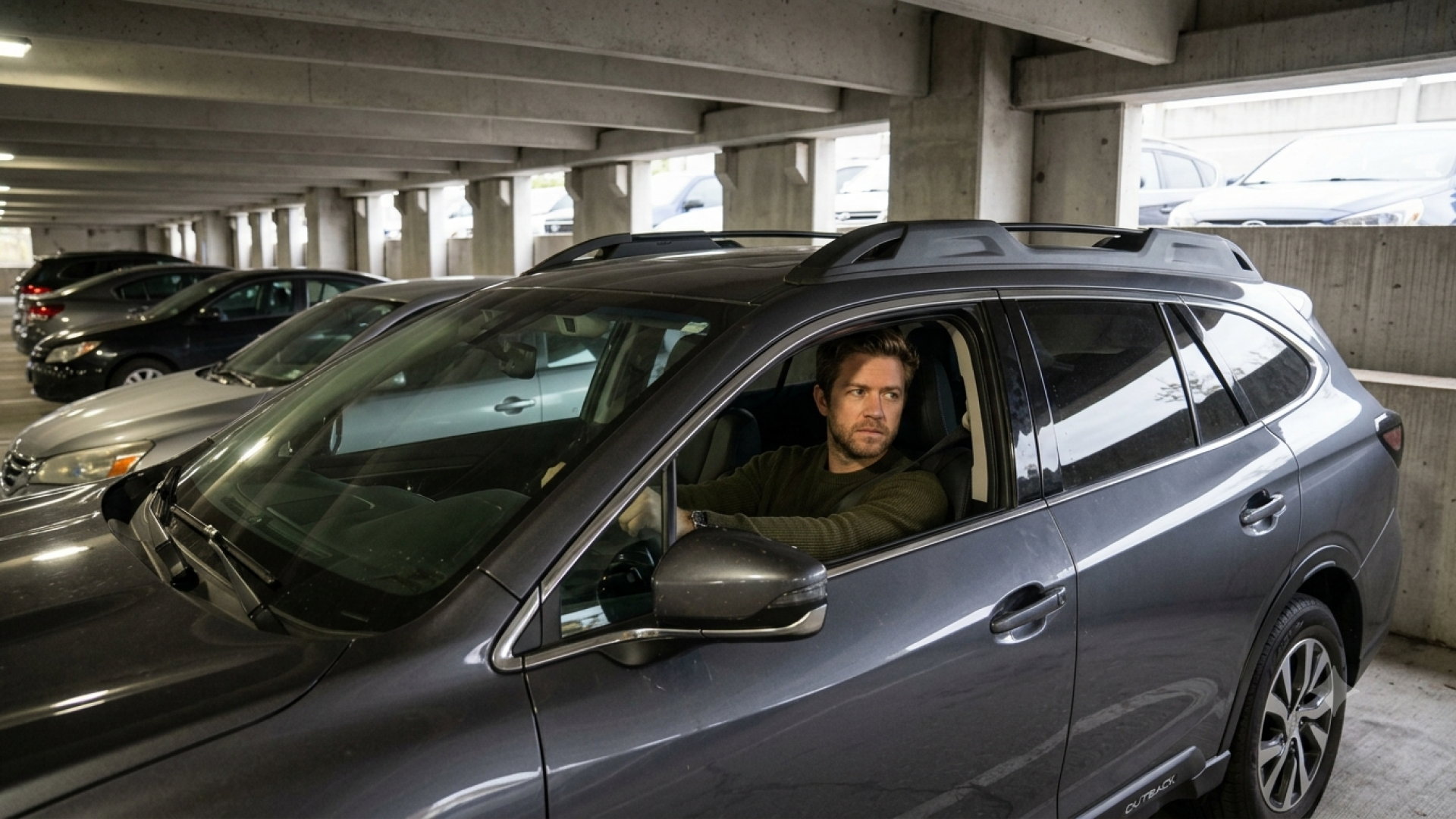
Few vehicle problems are as frustrating as returning to your car after shopping, working, dining out, or attending an event only to discover that it won't start. A dead battery can leave you stranded unexpectedly, turning a normal day into a stressful situation.
If you're wondering what to do if your car battery dies in a parking lot, the good news is that there are several safe and effective steps you can take. Whether you're in a busy shopping center, office complex, parking garage, or residential lot, understanding how to respond can help you get back on the road faster and avoid making the problem worse.
Professional roadside assistance providers like A&G Towing Services offer emergency jump starts, towing, lockout services, fuel delivery, vehicle recovery, and other roadside solutions designed to help drivers when unexpected breakdowns occur. According to information provided on their website, their team offers 24/7 roadside assistance services throughout the Miami area, helping motorists handle vehicle emergencies safely and efficiently.
In this guide, we'll explain exactly what to do when your battery dies in a parking lot, how to identify the problem, common mistakes to avoid, and when it's time to call a professional.
Why Do Car Batteries Die in Parking Lots?
Before discussing solutions, it's helpful to understand common causes of car battery failure and when to request a jump start in the first place.
Many parking lot battery problems occur because the vehicle sits idle while electrical components continue drawing power.
Common causes include:
Leaving headlights on
Interior lights remaining illuminated
Charging devices draining power
Aging batteries
Extreme temperatures
Corroded battery terminals
Alternator issues
Infrequent vehicle use
Sometimes a battery that's already weak simply reaches the point where it can no longer provide enough power to start the engine. Understanding the cause can help prevent future battery failures.
How Can You Tell If the Battery Is Dead?
A dead battery often presents several obvious warning signs.
Common symptoms include:
The Engine Won't Crank: You turn the key or press the start button, but nothing happens.
Clicking Sounds: A rapid clicking noise when attempting to start the vehicle often indicates insufficient battery power.
Dim or Flickering Lights: Dashboard lights, headlights, or interior lights may appear weak or inconsistent.
Electrical Systems Stop Working: Power windows, infotainment systems, locks, and other electronics may fail to operate normally.
Complete Loss of Power: In severe cases, the vehicle may show no electrical response at all.
These signs usually indicate battery-related issues, though alternator or starter problems can sometimes produce similar symptoms.
Step 1: Stay Calm and Assess Your Situation
When your car won't start, your first priority should be safety.
Ask yourself:
Am I parked in a safe location?
Is traffic nearby?
Is it daylight or nighttime?
Am I alone?
Do I have roadside assistance coverage?
If you're in a secure parking lot during daylight hours, you may have more options for troubleshooting. If you're stranded in a poorly lit or isolated area, contacting 24/7 roadside help may be the safest choice.
Step 2: Check for Obvious Causes
Before assuming the battery has failed, look for simple explanations.
Check whether:
Headlights were left on
Interior dome lights remained on
Accessories are plugged in
The vehicle is fully in park
The brake pedal is properly engaged
Battery connections appear loose
Sometimes a simple oversight is responsible for the problem.
Step 3: Try Turning Off Electrical Accessories
If the battery still has some remaining power, reducing electrical load may help.
Turn off:
Air conditioning
Radio
Heated seats
Phone chargers
Navigation systems
Interior lighting
Then attempt to start the vehicle again. Occasionally, conserving the remaining battery power is enough to get the engine running.
Step 4: Inspect the Battery If It's Safe
If you're comfortable doing so, open the hood and visually inspect the battery.
Look for:
Corrosion: White, blue, or green buildup around battery terminals can interfere with electrical connections.
Loose Connections: Battery cables should be secure and free from movement.
Physical Damage: Swollen battery cases, cracks, or leaking fluid may indicate battery failure.
If you notice significant damage, avoid attempting a jump start and seek professional assistance.
Step 5: Attempt a Jump Start
One of the most common solutions for a dead battery is a jump start. A jump start temporarily supplies power from:
Another vehicle
A portable jump starter
Most successful jump starts take only a few minutes. If the battery was simply drained, the vehicle may start immediately. However, proper jump-start procedures are important because incorrect connections can damage vehicle electronics or create safety hazards.
How Long Does a Jump Start Take?
A common question drivers ask is: "How long does it take to jump start a car?"
In most situations:
Setup takes 2–5 minutes
Charging takes 2–10 minutes
Starting the vehicle takes less than a minute
Most jump starts are completed within approximately 5–15 minutes. For a complete breakdown, check out how long does a car jump start take: a complete guide for drivers. Professional roadside assistance providers often complete the process quickly using commercial-grade equipment.
Step 6: Drive the Vehicle After It Starts
If the jump start is successful, don't immediately shut off the engine. Your alternator needs time to recharge the battery.
Experts commonly recommend driving for at least 20–30 minutes after a successful jump start. During this time:
Avoid unnecessary stops
Limit accessory use
Monitor dashboard warning lights
If the vehicle struggles to restart later, the battery may need replacement.
What If the Car Won't Start After a Jump Start?
Sometimes a jump start doesn't solve the problem. This may indicate a different issue.
Possible causes include:
Battery Failure: An old or damaged battery may no longer hold a charge.
Faulty Alternator: The alternator charges the battery while the vehicle runs. If it fails, the battery may repeatedly die.
Starter Problems: A malfunctioning starter motor can prevent the engine from turning over.
Electrical System Issues: Damaged wiring, blown fuses, or other electrical faults can prevent starting.
Fuel System Problems: In some cases, the battery isn't the problem at all.
Professional roadside technicians can often identify these issues and recommend the next steps.
When Should You Call Roadside Assistance?
While some drivers can safely manage a jump start themselves, there are situations where professional help is the better option. Consider calling roadside assistance if:
You don't have jumper cables
You don't have a portable jump starter
You're unfamiliar with jump-start procedures
You're parked in an unsafe location
The battery appears damaged
Multiple jump-start attempts fail
It's late at night
Severe weather conditions exist
According to A&G Towing Services, roadside assistance services include jump starts, towing, lockout assistance, fuel delivery, and vehicle recovery, helping drivers address a wide variety of emergency situations.
Common Mistakes Drivers Make When a Battery Dies
Knowing what not to do can be just as important as knowing what to do.
Ignoring Warning Signs: Slow starts and dim lights often indicate battery trouble before complete failure occurs.
Repeatedly Cranking the Engine: Multiple unsuccessful starting attempts can drain the battery even further.
Connecting Jumper Cables Incorrectly: Improper cable placement can damage electrical systems and create safety risks. Learn more about the differences in professional jump start vs booster cables.
Immediately Turning the Car Off: After a successful jump start, shutting off the vehicle too soon may leave you stranded again.
Assuming the Battery Is Always the Problem: Starters, alternators, and electrical systems can produce symptoms similar to a dead battery.
How to Prevent Future Parking Lot Battery Problems
Preventative maintenance can greatly reduce your chances of becoming stranded.
Test Your Battery Regularly: Battery testing can identify weakness before failure occurs.
Replace Old Batteries: Most batteries last approximately three to five years. Replacing an aging battery proactively can prevent unexpected breakdowns.
Clean Battery Terminals: Removing corrosion helps maintain strong electrical connections.
Turn Off Lights Before Leaving: A quick walk-around before leaving your vehicle can prevent accidental battery drain.
Drive Your Vehicle Consistently: Regular driving helps maintain battery charge and overall battery health.
Why Professional Jump Start Services Can Be Valuable
Many drivers appreciate the convenience and safety of professional roadside assistance. Benefits include:
Fast Response: Professionals arrive with the necessary equipment already prepared.
Proper Equipment: Commercial-grade jump starters often outperform consumer equipment.
Safety: Technicians follow established procedures that reduce risks to drivers and vehicles.
Additional Diagnostics: Experienced roadside assistance providers can often identify whether the battery, alternator, or another component is causing the problem.
Access to Additional Services: If a jump start isn't enough, towing or recovery services may be available.
Frequently Asked Questions
What should I do first if my battery dies in a parking lot?
Start by ensuring you're in a safe location, turning off accessories, and checking for obvious causes such as lights left on.
Can I jump start my car by myself?
Yes, if you have the proper equipment and understand the correct procedure. If you're unsure, professional assistance is recommended.
How long does a car jump start usually take?
Most jump starts take between 5 and 15 minutes, depending on battery condition and vehicle type.
Why does my battery keep dying?
Common causes include an aging battery, alternator problems, parasitic electrical drains, or extreme temperatures.
Should I replace my battery after one jump start?
Not necessarily. If the battery was accidentally drained, it may continue working normally. Repeated jump starts often indicate replacement is needed.
What if my car won't start after a jump start?
The issue may involve the battery, alternator, starter, fuel system, or another mechanical component.
Is it safe to wait in my car while roadside assistance arrives?
In most safe parking lot environments, yes. However, remain aware of your surroundings and prioritize personal safety. For extra precaution, read up on these top safety tips while waiting for a tow truck in miami.
Can roadside assistance test my battery?
Many professional roadside assistance providers perform basic battery and charging-system evaluations during service calls.
Conclusion
Knowing what to do if your car battery dies in a parking lot can help transform a stressful situation into a manageable one. By staying calm, checking for simple causes, attempting a safe jump start when appropriate, and recognizing when professional assistance is needed, you can reduce downtime and get back on the road faster.
Dead batteries are among the most common vehicle problems, but they don't always have to ruin your day. Regular battery maintenance, awareness of warning signs, and access to dependable roadside assistance can help you avoid future disruptions and drive with greater confidence.
Need Help with a Dead Battery?
If you're dealing with a dead battery, flat tire, vehicle lockout, fuel shortage, or another roadside emergency, visit A&G Towing Services to learn more about their available roadside assistance solutions. Their experienced team provides emergency support designed to help drivers safely and efficiently get back on the road when unexpected vehicle problems occur.