Few things are more frustrating than turning your key or pressing the start button and realizing your car won't start. Whether you're heading to work, picking up the kids, or traveling across town, a dead battery can quickly disrupt your plans.
One of the most common questions drivers ask is: How long does a car jump start take?
The short answer is that most car jump starts take between 5 and 15 minutes, depending on the condition of the battery, weather conditions, and the type of vehicle involved. However, several factors can affect the process and determine whether your vehicle starts immediately or requires additional roadside assistance.
At A&G Towing Services, professional technicians provide 24/7 roadside assistance, including expert battery jump start services, helping drivers get back on the road quickly and safely throughout the Miami area. Their trained team arrives equipped with the tools needed to perform safe jump starts and assess potential battery issues.
In this guide, we'll explain exactly how long a jump start typically takes, what affects the timing, common battery problems, and when it's time to call a professional.
What Is a Car Jump Start?
A car jump start is a process that provides temporary electrical power to a vehicle with a dead or weak battery.
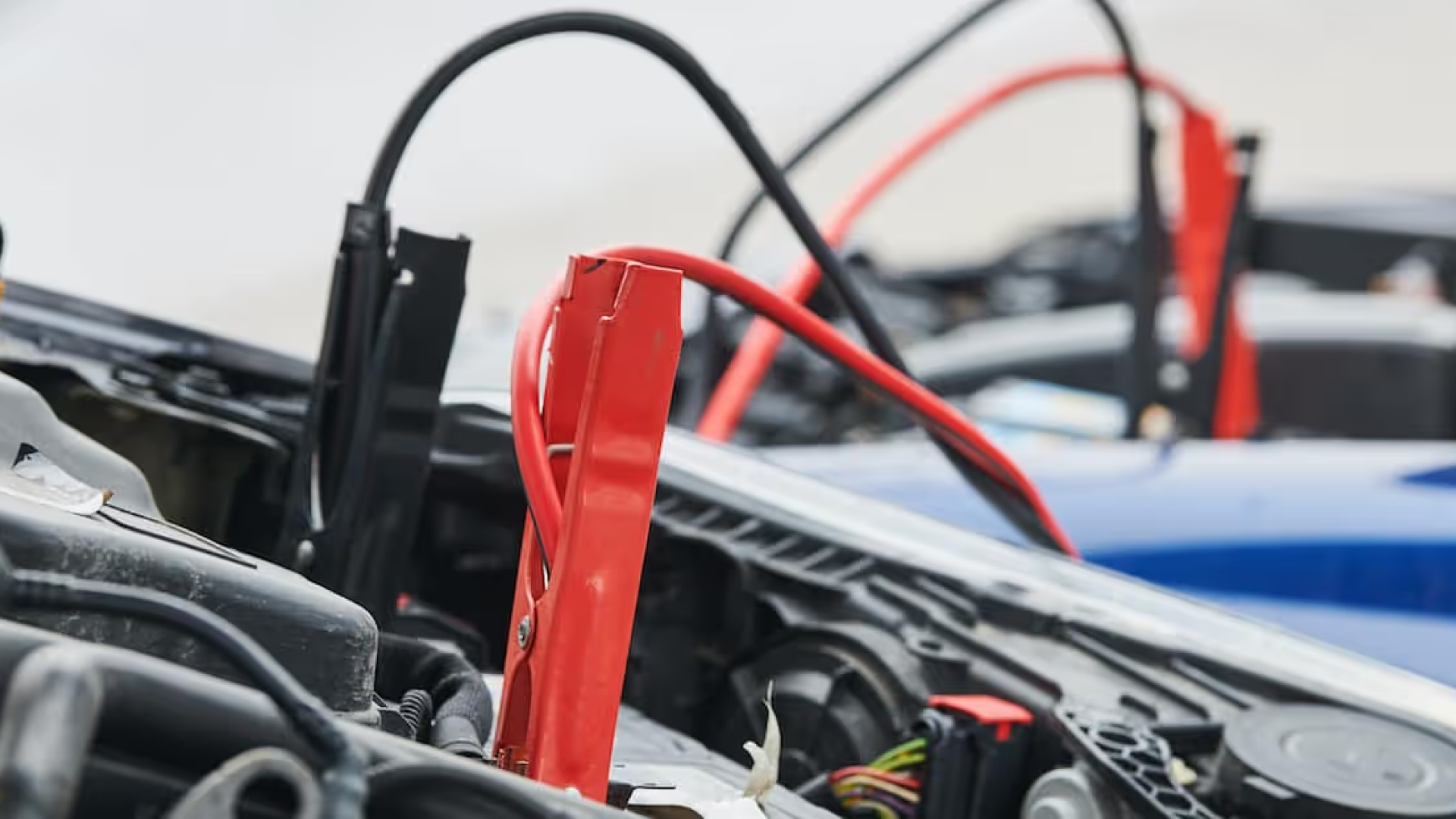
Using jumper cables connected to another vehicle or a portable jump starter, electricity is transferred to the dead battery, allowing the engine to start. Once the engine is running, the vehicle's alternator begins charging the battery.
A jump start is often used when:
The battery has been drained accidentally
Interior lights were left on overnight
Headlights were left on
Electronics drained the battery
Cold weather weakened battery performance
The battery has temporarily lost charge
If you find yourself stranded due to any of these reasons, reading up on what to do when your car battery dies can help you handle the situation calmly. Professional roadside assistance providers commonly perform jump starts as one of the most requested emergency solutions.
How Long Does a Car Jump Start Usually Take?
Most successful jump starts follow a relatively quick and standard timeline.
StageTypical TimeConnecting equipment2–5 minutesCharging the dead battery2–10 minutesStarting the vehicleLess than 1 minuteBasic battery inspection2–5 minutesTotal timeApproximately 5–15 minutes
In many situations, a healthy vehicle with a mildly discharged battery may start almost immediately after power is connected. However, if the battery is severely depleted, technicians may need to allow it to charge for several minutes before attempting to start the engine. Understanding the differences between a professional jump start vs. booster cables highlights why commercial tools yield quicker results.
Professional roadside assistance providers often complete the entire service rapidly because they use commercial-grade jump-start equipment designed specifically for emergency situations to avoid roadside delays.
Why Some Jump Starts Take Longer Than Others
Not every dead battery situation is the same. Several distinct factors influence how long the process will take.
Battery Condition
A battery that was drained overnight due to lights being left on may recover quickly. Conversely, a battery that is several years old and nearing failure may require more charging time or may not accept a charge at all. It helps to recognize the common causes of car battery failure so you know when to request a jump start. Signs of a failing battery include:
Repeated jump starts
Slow engine cranking
Frequent electrical issues
Dashboard battery warnings
Dimming lights
Weather Conditions
Temperature has a major impact on battery performance. Cold weather reduces a battery's ability to produce power, making jump starts more challenging. On the flip side, hot climates can shorten battery lifespan by accelerating internal deterioration. Extreme weather conditions are among the most common contributors to battery-related emergency calls.
Vehicle Size and Type
Different vehicles require different amounts of starting power. For example:
Compact cars generally start quickly
SUVs may require more power
Pickup trucks often need higher cranking amps
Diesel engines typically require stronger jump-start equipment
Larger vehicles sometimes need additional charging time before the engine will turn over.
Battery Age
Most automotive batteries last approximately three to five years. As batteries age, their ability to hold a charge declines. Even if a jump start works, an aging battery may fail again shortly afterward. This is why professional technicians often perform a quick battery assessment after the vehicle starts.
How Does the Jump Start Process Work?
Understanding the precise sequence helps drivers know what to expect when help arrives.
Step 1: Assess the Situation
A technician first determines whether the battery is actually the problem. Other issues can mimic a dead battery, including faulty starters, alternator failure, loose battery connections, or broader electrical system problems.
Step 2: Connect Power Safely
Using proper safety procedures, the technician connects jumper cables or a portable jump-start unit to the battery terminals. Proper connection is critical because incorrect installation can damage vehicle electronics. Opting for experts ensures you protect your vehicle's electrical system during hookup.
Step 3: Provide Temporary Power
Electricity flows from the external power source to the vehicle battery. Depending on battery condition, charging may take a few minutes.
Step 4: Start the Vehicle
Once sufficient power is available, the engine is started. In many cases, the vehicle starts immediately.
Step 5: Inspect Battery Performance
Professional teams often perform a quick inspection to determine whether the battery is healthy, the alternator is functioning, and the charging system appears normal. This extra step can help prevent future breakdowns.
What Happens After a Successful Jump Start?
Many drivers assume the problem is solved once the vehicle starts. In reality, the battery may still need additional charging.
Experts generally recommend driving for at least 20 to 30 minutes after a successful jump start to allow the alternator to recharge the battery. During this time:
Avoid turning off the engine unnecessarily.
Minimize use of nonessential electronics (like the AC or stereo).
Monitor dashboard warning lights.
If the vehicle struggles to restart later, the battery may need a complete replacement.
Common Reasons a Car Battery Dies
Understanding the underlying cause can help prevent future problems.
Leaving Lights On: Accidentally leaving headlights or interior lights on is a primary culprit. Even a small map light can drain a battery overnight.
Extreme Temperatures: Both heat and cold affect battery performance and lifespan. Drivers often experience more battery failures during seasonal temperature extremes.
Infrequent Driving: Vehicles that sit unused for extended periods may experience battery discharge. Short trips can also prevent the battery from fully recharging.
Aging Batteries: As batteries age, internal components degrade. Eventually, they lose their ability to hold a sufficient charge.
Charging System Problems: Sometimes the battery isn't the issue. A failing alternator may prevent proper charging while driving. In these cases, repeated jump starts will only provide temporary relief.
Can You Jump Start a Car Yourself?
Yes, many drivers successfully jump start their own vehicles. However, there are inherent risks. Incorrect jump-start procedures can cause battery damage, electrical system damage, sparks, personal injury, and computer system issues.
Modern vehicles contain highly sensitive electronics that require careful handling. For drivers who are unsure of the proper procedure, calling for professional 24/7 roadside help offers a safer, more reliable solution.
When Should You Call a Professional Jump Start Service?
Professional assistance is often the best choice when:
You Don't Have Equipment: Many drivers don't carry jumper cables or portable jump starters. Professional technicians arrive fully equipped.
You're in an Unsafe Location: If you're stranded on a busy highway, a dark road, or an unfamiliar neighborhood, waiting for professional help inside your locked vehicle is much safer. Knowing why Miami drivers need trustworthy jump start services highlights the safety advantages in bustling urban areas.
The Battery Won't Respond: If multiple jump-start attempts fail, a larger issue may exist. Technicians can diagnose the problem and recommend next steps.
You're Unsure of the Cause: Not every no-start condition is battery related. Experienced roadside assistance professionals can identify whether the issue involves battery failure, starter problems, alternator issues, or electrical faults.
How to Prevent Future Dead Batteries
Preventative maintenance can significantly reduce the chances of needing an emergency jump.
Regularly Test Your Battery: Routine battery testing helps identify weakness before failure occurs.
Clean Battery Terminals: Corrosion can reduce electrical flow and make starting more difficult. Keeping terminals clean promotes reliable performance.
Turn Off Electronics: Always verify that lights, chargers, and accessories are turned off when leaving your vehicle.
Drive Your Vehicle Regularly: Frequent driving helps maintain battery charge. Vehicles left parked for long periods are more likely to experience battery issues.
Replace Aging Batteries: If your battery is approaching the end of its expected lifespan, replacement may be more cost-effective than repeated emergency service calls.
Benefits of Professional Roadside Services
Many drivers appreciate the advantages of a comprehensive roadside assistance provider. Beyond battery care, specialized teams handle a wide array of roadside struggles efficiently:
Faster Service: Experienced technicians perform tasks rapidly using commercial-grade equipment.
Improved Safety: Professionals follow established safety procedures that reduce risks to both people and vehicles.
Equipment for Multiple Vehicle Types: Roadside teams are prepared to service cars, SUVs, trucks, and fleet vehicles.
Comprehensive Solutions: A full-service provider doesn't just stop at batteries. They offer specialized help for a flat tire, secure vehicle lockout rescue, swift fuel delivery, and advanced vehicle recovery for complex scenarios.
Learning how professional roadside assistance reduces stress can show you the clear value of handing the problem over to an expert.
Why Fast Roadside Assistance Matters
A dead battery can happen at any time. Whether you're stuck before work, stranded after an event, or dealing with an unexpected breakdown late at night, quick response times make a significant difference.
For situations where a jump start won't cut it and mechanical issues run deeper, a reliable towing service ensures your car reaches a mechanic without further damage. Reviewing why fast response times matter in Miami underscores the benefit of choosing a prompt local team.
Frequently Asked Questions
How long does it take to jump start a completely dead battery?
Most jump starts take between 5 and 15 minutes. Severely discharged batteries may require additional charging time before the vehicle will start.
Can a battery be too dead to jump start?
Yes. If a battery has suffered internal damage or reached the end of its lifespan, a jump start may not work.
How long should I drive after a jump start?
Driving for approximately 20 to 30 minutes can help recharge the battery through the alternator.
Why does my car need repeated jump starts?
Repeated jump starts often indicate a failing battery, charging system problem, or electrical issue.
Can cold weather make a jump start take longer?
Yes. Cold temperatures reduce battery efficiency and can increase charging time before the engine starts.
Is it safe to jump start modern vehicles?
Yes, when done correctly. However, modern vehicles contain sensitive electronics, making professional assistance a safer option for many drivers.
What if my car still won't start after a jump start?
The problem may involve the starter, alternator, fuel system, or another mechanical issue rather than the battery.
How can I tell if I need a new battery?
Common signs include slow starts, dim lights, battery warning lights, and a repeated need for jump starts.
Conclusion
So, how long does a car jump start take? In most cases, the process takes just 5 to 15 minutes, making it one of the fastest roadside assistance services available. However, factors such as battery age, weather conditions, vehicle type, and overall battery health can affect the timeline.
Understanding why batteries fail, recognizing warning signs early, and practicing basic battery maintenance can help reduce the likelihood of future breakdowns. When a dead battery does occur, prompt professional assistance can get you moving again safely and efficiently.
Need Fast Jump Start Service?
If you're dealing with a dead battery, lockout, flat tire, fuel shortage, or other roadside emergency, explore the about us page to learn more about our values, or visit our blog for more helpful driving tips. The experienced team at A&G Towing Services is ready to provide dependable help when you need it most. Contact us today to get back on the road quickly and with total confidence!