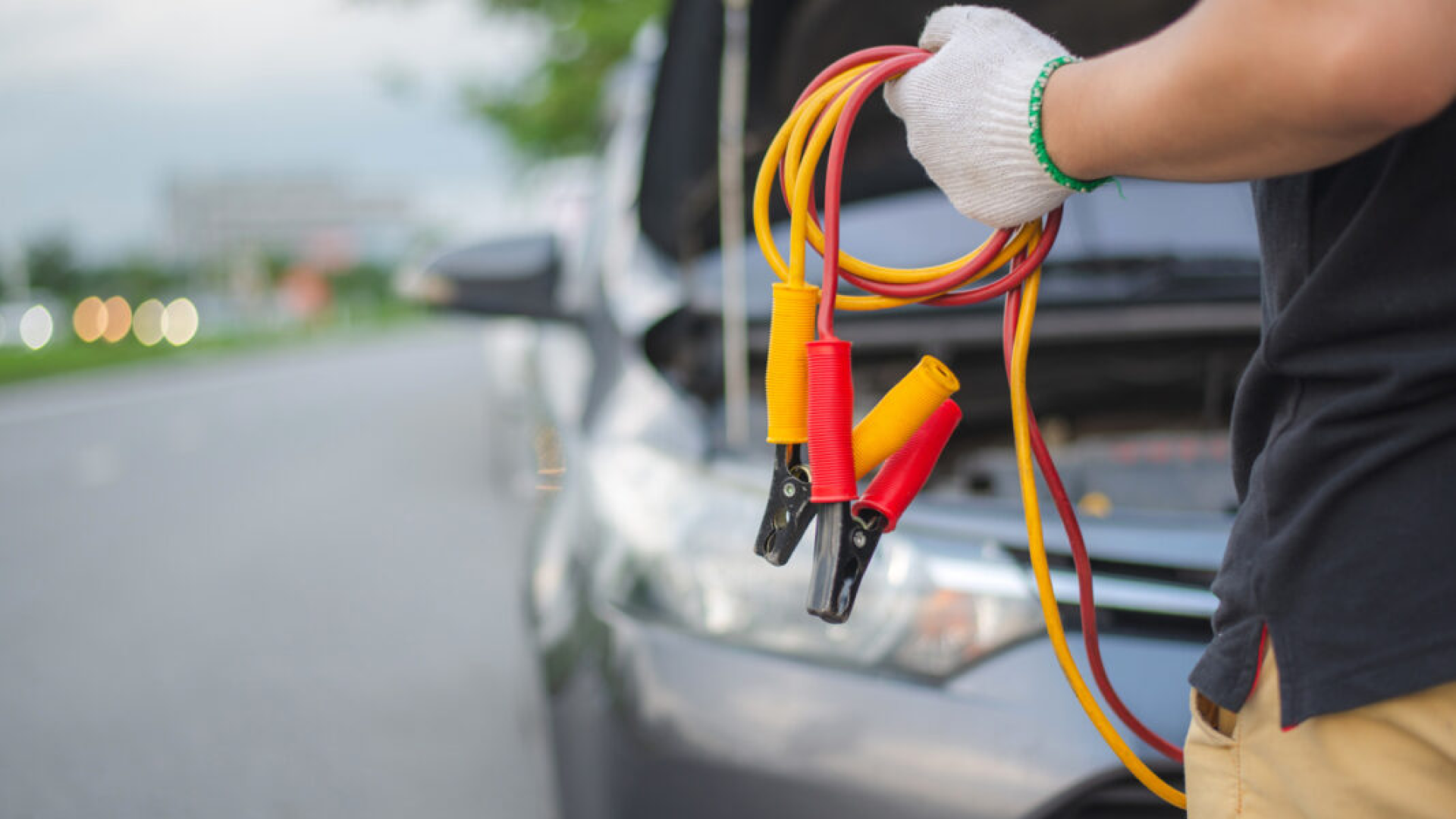
Few vehicle problems are as frustrating—or as common—as turning the key or pressing the start button only to discover your car won't start. Whether you're rushing to work, leaving a shopping center, or preparing for a road trip, a dead battery can bring your plans to an immediate halt. Knowing what to do when your car battery dies can save you hours of frustration.
Fortunately, professional services are designed to get drivers back on the road quickly and safely. While many people associate jump starts with simply leaving the headlights on overnight, there are actually many situations that can cause a battery to lose power unexpectedly.
Understanding the most common reasons drivers need a jump start can help you recognize warning signs early, prevent future breakdowns, and know when it's time to call for professional roadside assistance.
Companies like A&G Towing Service provide emergency jump start assistance and comprehensive roadside help for drivers dealing with battery-related problems. In this guide, we'll explore the most common situations that lead to dead batteries, how jump start services work, and why choosing the right help matters.
What Is a Jump Start Service?
A jump start service is a roadside assistance solution that provides temporary power to a vehicle with a discharged battery. Using specialized equipment, a trained technician supplies enough electrical power to start the engine so the battery can begin recharging through the vehicle's charging system.
Opting for professional intervention is often faster and safer than attempting a DIY jump start, especially with modern vehicles that contain sensitive electronic systems. Understanding the difference between a professional jump start vs booster cables can prevent costly mistakes.
Jump start assistance is commonly used for:
Dead or weak batteries
Vehicles left unused for long periods
Electrical drain situations
Cold-weather battery failures
Why Vehicle Batteries Fail
Before exploring common jump start scenarios, it helps to understand why batteries lose power. A vehicle battery provides the electrical energy needed to start the engine, power onboard electronics, operate lights, and run accessories when the engine is off.
Over time, batteries naturally weaken due to age, temperature extremes, frequent short trips, and electrical drains. When battery voltage drops too low, the engine cannot crank without assistance. Drivers should familiarize themselves with the common causes of car battery failure to minimize surprises.
Top Situations That Require a Jump Start
1. Leaving Headlights or Interior Lights On
One of the most common reasons drivers need a battery boost is accidentally leaving lights on overnight, such as dome lights, headlights, or trunk illumination. Even modern LED lighting can slowly drain a battery over several hours, leaving you with dim dashboard lights and an engine that won't crank.
2. Extreme Heat in Florida
Many drivers associate dead batteries with cold weather, but extreme heat is actually one of the leading causes of battery failure in warm climates. In places like Miami and throughout South Florida, prolonged heat can accelerate battery fluid evaporation and damage internal components. This explains why miami drivers need access to trustworthy jump start services year-round.
3. Vehicle Sitting Unused for Extended Periods
Many people are surprised to learn that a battery can discharge even when the vehicle isn't being driven. Modern vehicles continuously draw small amounts of power to support security systems, clocks, and keyless entry systems. If a vehicle sits during extended vacations or remote work schedules, a jump start is often required to restore operation.
4. Frequent Short Trips
During startup, the battery expends a large amount of energy cranking the engine. If you frequently drive only short distances for daily errands or school drop-offs, the alternator may not have enough time to fully recharge the battery, causing its capacity to gradually decline.
5. Aging Battery Failure
Most automotive batteries last approximately 3 to 5 years—and often less in hot climates. As batteries age, their voltage output decreases and internal resistance increases, leading to slow engine cranking and intermittent starting issues.
6. Alternator and Charging System Problems
In reality, the charging system may be the real culprit rather than the battery itself. The alternator recharges the battery while the engine runs. If it fails, the battery loses charge rapidly. A jump start may temporarily get you moving, but realizing when is the right time to call a professional towing service is crucial if the vehicle stalls shortly after starting.
7. Corroded Battery Terminals
Battery corrosion appears as a white, green, or powdery residue around the terminals. This buildup restricts electrical flow and reduces charging efficiency. In some cases, a roadside technician can determine whether the issue is a dead battery or simply poor terminal contact.
8. Battery Drain From Faulty Electronics or Accessories
Sometimes a battery repeatedly dies overnight due to a parasitic electrical drain, such as faulty relays, malfunctioning modules, or aftermarket accessories left plugged into phone chargers and dash cameras.
9. Forgotten Vehicle Doors or Trunk Left Open
Leaving a door or trunk slightly ajar can keep interior lighting and electronic modules active. Over several hours, these minor demands will completely deplete the battery's reserve energy.
10. Jump Start Needs After Long Airport Parking Stays
Airport parking lots frequently see battery-related service calls. A vehicle left parked for one or two weeks experiences continuous background electrical drain, meaning travelers frequently return to a car that refuses to start. Utilizing a service for a battery jump start helps avoid roadside delays so you can get home quickly.
Beyond the Battery: Other Roadside Emergencies
While battery issues are incredibly common, drivers frequently face other unexpected situations on the road that require rapid assistance. Professional roadside companies don't just jump cars; they handle a wide range of mechanical and physical disruptions:
Flat Tires: Striking debris can cause immediate damage. Understanding what happens during a professional flat tire assistance call can help you stay calm while waiting for a technician to swap out your tire safely.
Lockouts: Locking your keys inside the vehicle happens to everyone. Utilizing a specialized vehicle lockout service ensures you get back inside without damaging your doors or windows.
Running Out of Fuel: If you misjudge the distance to the next gas station, an emergency fuel delivery service can bring enough gas directly to your location to get you to the nearest pump.
Accidents or Severe Breakdowns: When a vehicle cannot be driven or requires extraction from a ditch, a professional vehicle recovery team must be called to safely transport the automobile without causing further structural damage.
When a DIY Jump Start May Not Be the Best Option
Many drivers carry jumper cables, but DIY jump starts aren't always ideal. Potential risks include incorrect cable connections, electrical system damage, personal injury, or sparks that can trigger a battery explosion.
Modern vehicles feature sensitive electronic control units (ECUs) that can easily fry if subjected to a sudden voltage surge. Learning how professional jump start services protect your vehicle's electrical system highlights why it is usually safer to leave the task to an expert equipped with surge-protected jump boxes.
How Professional Jump Start Services Work
The process is straightforward and designed to minimize stress:
Contact Roadside Assistance: Reach out to a trusted provider and share your exact location, vehicle details, and a quick description of the problem.
Technician Arrival: A trained technician is dispatched swiftly to your location with heavy-duty, professional-grade diagnostic and jump equipment.
Battery Evaluation: The technician inspects the battery condition, looks for terminal corrosion, and checks for obvious charging system flaws before connecting any power source.
Jump Start Procedure: Safe, regulated electrical power is supplied to your battery, allowing you to turn over the engine seamlessly.
Additional Recommendations: If the technician suspects your alternator is failing or notices the battery cannot hold a charge, they may recommend a permanent battery replacement or arrange a towing service to safely move your vehicle to a local repair shop.
How to Reduce Your Chances of Needing a Jump Start
Preventive maintenance can significantly reduce battery-related breakdowns. Incorporate these helpful habits into your car care routine:
Turn off all interior and exterior lights before exiting the vehicle.
Avoid a continuous routine of short trips; give your vehicle a longer 20-to-30-minute drive occasionally to let the alternator do its job.
Keep your battery terminals clean and free of corrosive buildup.
Test older batteries regularly, especially before heading out on long road trips or when entering seasonal temperature extremes.
Frequently Asked Questions
What is the most common reason people need a jump start?
Leaving headlights or dome lights on overnight and simple battery degradation due to old age are the top reasons drivers experience a dead battery.
Can extreme heat cause battery failure?
Yes. High temperatures accelerate internal chemical reactions and fluid evaporation, making heat a leading cause of vehicle breakdown in tropical and southern regions.
Will a jump start permanently fix my battery?
Not necessarily. A jump start restores temporary power so your engine can run, but if the battery is old or mechanically damaged, it will likely fail again the next time you turn off the vehicle.
Is it safe to jump-start a modern vehicle?
Yes, provided it is done with proper equipment. Because modern vehicles rely heavily on onboard computers, professional jump start services are highly recommended to prevent catastrophic electrical surges.
Conclusion
Dead batteries remain one of the most common roadside emergencies drivers face today. Whether you are dealing with a weak battery after a long vacation, a vehicle that sat unused for weeks, or an unexpected failure in the middle of your daily commute, professional roadside teams provide a fast, dependable solution.
Recognizing the warning signs early and knowing when to call for an expert can protect your car’s electrical health and get you moving again without a hitch. Learn more about professional roadside standards and safety to keep yourself prepared for any journey.
Need Roadside Battery Assistance?
If your vehicle won't start and you need professional, damage-free assistance from a team that understands modern automotive systems, visit the A&G Towing Service Contact Page to request immediate help or explore our emergency roadside support options.