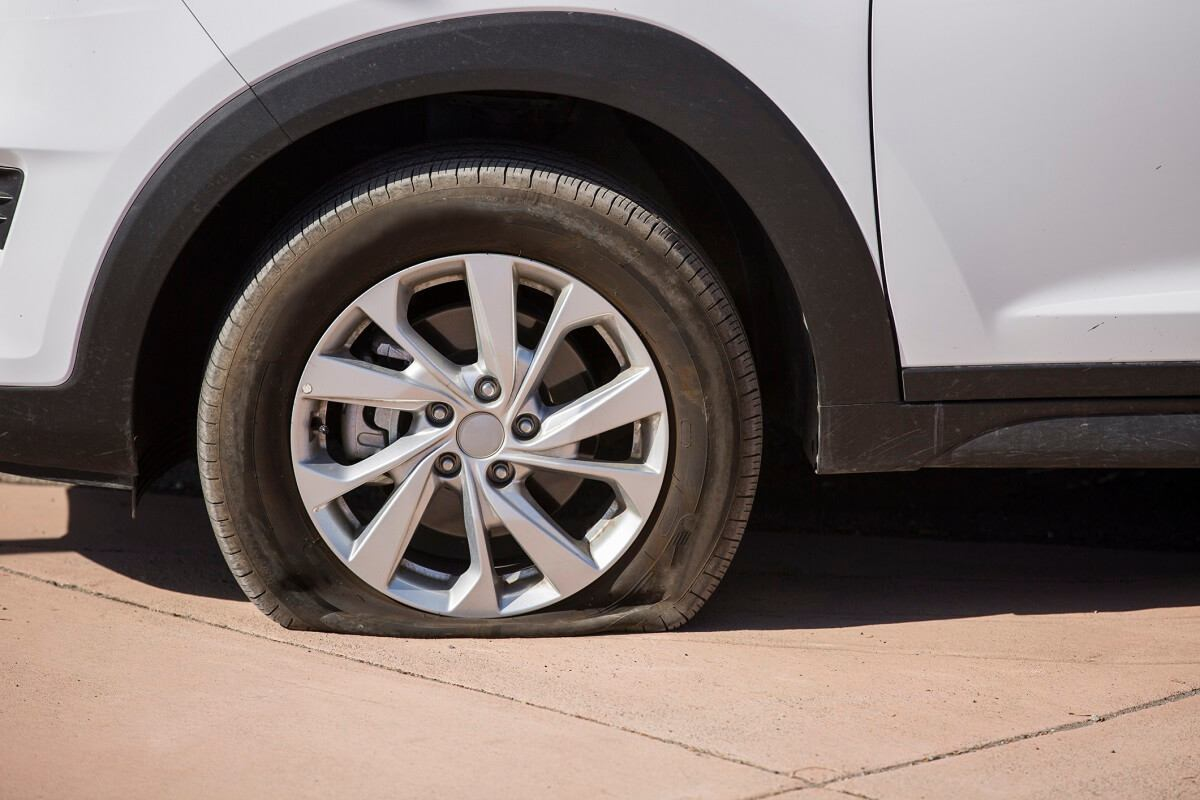
A sudden flat tire while driving can be one of the most unsettling experiences on the road. One moment your vehicle feels perfectly normal, and the next you're struggling to maintain control as your tire rapidly loses air. Whether you're commuting through Miami traffic, driving on a busy highway, or heading out for a weekend trip, understanding what causes unexpected flat tires can help you respond safely and reduce the risk of future tire problems.
If you've ever wondered what causes sudden flat tires while driving, the answer isn't always as simple as running over a nail. While road debris is a common culprit, many flat tires result from factors such as underinflation, worn tires, sidewall damage, potholes, excessive heat, or mechanical issues that develop over time.
A&G Towing Services provides 24/7 roadside assistance throughout the Miami area, including emergency flat tire service, towing, jump starts, fuel delivery, vehicle lockout assistance, and vehicle recovery. When drivers experience unexpected tire failures, their team is equipped to provide prompt roadside assistance and help determine the safest solution based on the condition of the vehicle.
In this guide, we'll explore the most common causes of sudden flat tires, warning signs to watch for, what to do immediately after a tire failure, and practical maintenance tips that can help reduce the chances of experiencing another roadside emergency.
Why Sudden Flat Tires Happen
A tire rarely fails without a reason. Even though a flat tire may seem to occur instantly, many failures develop gradually due to wear, damage, or poor maintenance before becoming noticeable while driving.
Some causes result in a slow loss of air, while others lead to rapid deflation or a complete blowout. Understanding these causes can help drivers recognize potential problems before they become dangerous.
Common Causes of Sudden Flat Tires While Driving
1. Nails, Screws, and Road Debris
One of the most common reasons for a flat tire is driving over sharp objects left on the roadway. Common hazards include:
Nails
Screws
Broken glass
Metal fragments
Construction debris
Sometimes these objects remain embedded in the tire, causing a slow leak that worsens over time. In other cases, they puncture the tire immediately, resulting in rapid air loss. Construction zones and roads with heavy commercial traffic often present a higher risk of debris-related tire damage.
2. Potholes and Road Hazards
Hitting a pothole at moderate or high speed can cause significant tire damage. A hard impact may result in:
Sidewall cuts
Internal tire damage
Bent wheels
Immediate air loss
Even if a tire doesn't go flat right away, hidden internal damage can weaken its structure and increase the likelihood of failure later.
3. Underinflated Tires
Driving with insufficient tire pressure places excessive stress on the tire's sidewalls. As the tire flexes more than intended, heat builds up inside the rubber. Over time, this extra stress can lead to:
Sidewall failure
Blowouts
Rapid tread wear
Regular tire pressure checks are one of the simplest ways to reduce the risk of unexpected flats.
4. Overinflated Tires
Too much air pressure can also create problems. An overinflated tire has less flexibility and absorbs road impacts less effectively. This makes it more susceptible to damage from:
Potholes
Curbs
Debris
Uneven road surfaces
Maintaining the manufacturer's recommended tire pressure helps improve both safety and tire longevity.
5. Worn Tire Tread
Tires naturally wear over time. As tread becomes thinner, the tire becomes more vulnerable to punctures and damage. Worn tires also provide less traction, especially during wet weather, increasing the risk of losing control after a tire failure. Routine tire inspections can help identify excessive wear before it leads to a roadside emergency.
6. Sidewall Damage
Unlike punctures in the tread area, sidewall damage is generally more serious. Common causes include:
Striking curbs
Deep potholes
Road debris
Previous impacts
Signs of sidewall damage include cuts, bulges, cracks, and exposed cords. Because sidewalls flex constantly while driving, damaged sidewalls typically require tire replacement rather than repair.
7. Tire Blowouts
A blowout occurs when a tire suddenly loses air pressure due to structural failure. Contributing factors may include excessive heat, overloading the vehicle, underinflation, severe impacts, and tire age. A blowout can make steering more difficult, making it important to remain calm and avoid sudden braking.
8. Aging Tires
Even tires with adequate tread eventually deteriorate due to age. Rubber compounds naturally harden and weaken over time. Older tires may develop dry rot, surface cracking, reduced flexibility, and an increased susceptibility to punctures. Regular inspections can help determine when replacement is appropriate.
9. Faulty Valve Stems
Valve stems are responsible for maintaining tire pressure. Damage or deterioration can allow air to escape gradually. While less common than punctures, valve stem leaks can eventually leave a tire completely flat.
10. Damaged Wheels
Sometimes the problem isn't the tire itself. A bent or cracked wheel may prevent the tire from maintaining an airtight seal. Wheel damage commonly results from potholes, curb impacts, road debris, or minor collisions. If the wheel is damaged, roadside tire replacement alone may not solve the problem.
Warning Signs Before a Tire Goes Flat
Not every tire failure happens without warning. Watch for these common signs:
Tire Pressure Warning Light: Modern vehicles often include Tire Pressure Monitoring Systems (TPMS). If the warning light appears, check tire pressure as soon as it's safe. Ignoring the warning increases the risk of complete tire failure.
Steering Pull: A vehicle pulling toward one side may indicate one tire is losing pressure.
Unusual Vibrations: New vibrations, especially at highway speeds, may suggest tire damage or internal separation.
Visible Tire Damage: Inspect tires regularly for cuts, embedded objects, bulges, uneven wear, and cracks. Early detection often prevents roadside emergencies.
What Should You Do If a Tire Goes Flat While Driving?
Knowing how to react can improve both safety and vehicle protection.
Stay Calm: Avoid panicking or making sudden steering corrections. Grip the steering wheel firmly.
Slow Down Gradually: Ease off the accelerator and allow the vehicle to slow naturally. Avoid slamming on the brakes unless absolutely necessary.
Turn On Hazard Lights: Hazard flashers alert other drivers that your vehicle is experiencing difficulties.
Move to a Safe Location: Whenever possible, pull into parking lots, wide shoulders, rest areas, or side streets. Avoid stopping in active traffic lanes.
Assess the Situation: If it's safe, inspect the tire for visible damage. If you're unsure whether the vehicle can be driven safely, contacting professional roadside assistance is often the safest option.
Can Every Flat Tire Be Repaired?
No. Whether a tire can be repaired depends on several factors.
Repairs may be possible for small tread punctures and limited damage within the repairable area. However, replacement is generally necessary for sidewall damage, large punctures, multiple punctures, blowouts, and severe tread separation. A professional inspection helps determine the safest course of action.
When Should You Call for Roadside Assistance?
Professional roadside assistance is recommended when:
You don't have a usable spare tire.
The wheel appears damaged.
The vehicle has multiple flat tires.
You're stranded in heavy traffic.
It's unsafe to change the tire yourself.
The tire suffered a high-speed blowout.
You're unsure whether the vehicle can be driven safely.
A&G Towing Services provides emergency flat tire assistance along with towing and other roadside services designed to help drivers safely return to the road throughout the Miami area.
How to Reduce the Risk of Sudden Flat Tires
Preventive maintenance plays a major role in tire safety.
Check Tire Pressure Regularly: Monthly pressure checks help identify slow leaks before they become emergencies.
Inspect Tires Frequently: Look for uneven tread wear, cracks, nails, and sidewall damage.
Rotate Tires: Regular rotation promotes even wear and extends tire life.
Replace Worn Tires: Driving on excessively worn tires increases the risk of punctures and blowouts.
Avoid Road Hazards: Whenever possible, steer clear of potholes, curbs, construction debris, and sharp objects.
Schedule Routine Vehicle Inspections: Professional inspections can identify tire or suspension issues before they lead to roadside problems.
Why Fast Flat Tire Assistance Matters
A sudden flat tire can happen anywhere and at any time. Whether you're traveling through downtown Miami, driving on I-95, or navigating neighborhood streets, being stranded with a damaged tire can create safety concerns—especially in heavy traffic or poor weather.
Professional roadside assistance helps reduce the time you spend stopped on the roadside and ensures your vehicle is handled safely. A&G Towing Services offers emergency flat tire service along with towing, jump starts, lockout assistance, fuel delivery, and vehicle recovery, providing dependable roadside support whenever unexpected vehicle issues arise.
Frequently Asked Questions
What is the most common cause of a sudden flat tire while driving?
Road debris such as nails, screws, and sharp metal objects are among the most common causes, although potholes, worn tires, and underinflation also contribute.
Can a tire go flat without hitting anything?
Yes. Aging tires, valve stem leaks, sidewall damage, and internal tire failure can all cause a tire to lose air without striking road debris.
Is it safe to drive after getting a flat tire?
No. Driving on a flat tire can damage the wheel, suspension, and braking components while making the vehicle more difficult to control.
What should I do if my tire blows out on the highway?
Maintain a firm grip on the steering wheel, slow down gradually, turn on your hazard lights, and move safely off the roadway before seeking assistance.
Can every punctured tire be repaired?
No. Small punctures in the tread area may be repairable, while sidewall damage, large punctures, and blowouts generally require tire replacement.
How often should I check my tire pressure?
Checking tire pressure at least once a month and before long trips helps reduce the risk of unexpected tire failures.
What if I don't have a spare tire?
Many newer vehicles rely on tire repair kits or run-flat tires. If these aren't sufficient, roadside assistance or towing may be necessary.
When should I call for professional roadside assistance?
If you're in an unsafe location, don't have a spare, suspect wheel damage, or need to know whether to change the tire or tow, professional roadside assistance is the safest choice.
Conclusion
Understanding what causes sudden flat tires while driving can help you recognize warning signs, respond safely, and reduce the likelihood of future roadside emergencies. While punctures from road debris are common, factors such as underinflation, worn tires, potholes, sidewall damage, and aging tires can all contribute to unexpected tire failures.
Routine tire inspections, maintaining proper tire pressure, and replacing worn tires before they become unsafe are some of the best ways to protect yourself on the road. If a flat tire does occur, staying calm, moving to a safe location, and seeking professional assistance when needed can help minimize both risk and vehicle damage.
Need Emergency Flat Tire Assistance in Miami?
If you experience a flat tire, blowout, dead battery, lockout, fuel shortage, or another roadside emergency, A&G Towing Services is available 24/7 to provide professional roadside assistance throughout the Miami area. Visit the A&G Towing Services website to learn more about their emergency flat tire service, towing solutions, and other roadside assistance options designed to get you back on the road safely and efficiently.