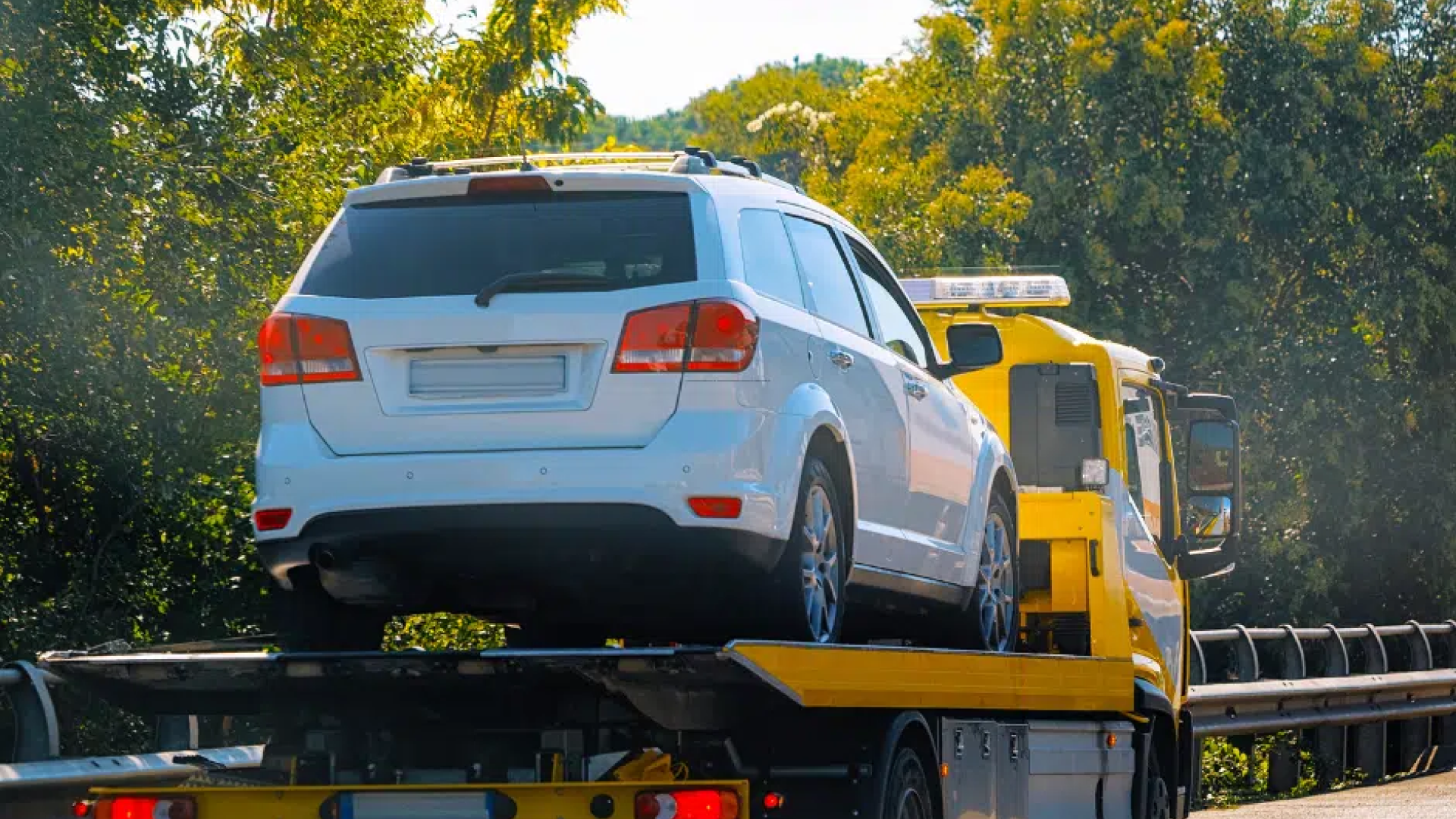
When your vehicle breaks down in a busy city like Miami, every minute matters. Whether you’re stuck on a highway shoulder, dealing with a dead battery in a parking lot, or facing an overheating engine in traffic, fast help isn’t optional—it’s a safety requirement.
That’s why many drivers rely on local towing companies such as A&G Towing Service for immediate roadside assistance. Local providers consistently outperform national dispatch networks in response speed due to smarter positioning, faster coordination, and deep familiarity with Miami’s road conditions.
Below is a complete breakdown of why local towing services respond faster and how that benefits drivers in real-world emergencies.
What “Fast Response” Means in Towing
Fast response in towing includes:
Dispatch time after your call
Travel time to your location
On-site service or vehicle loading
In a city like Miami, typical response times are:
Urban zones: 20–40 minutes
Suburban zones: 30–60 minutes
Severe traffic/weather: 45–90 minutes
Local providers stay at the lower end because they operate within the same service radius as the breakdown location.
For a deeper breakdown of emergency timing, see:
Average Tow Truck Wait Time in Miami
Why Local Towing Services Are Faster in Miami
1. Trucks Are Already Nearby
Local towing fleets are strategically placed across the city near:
Downtown Miami
Miami Beach
Airport corridors
I-95 and major expressways
This reduces travel distance significantly compared to out-of-area dispatchers.
Learn more about full roadside coverage here:
Towing Services Overview
2. Deep Knowledge of Miami Traffic
Local drivers understand:
Rush hour congestion patterns
Shortcut routes through neighborhoods
Accident-prone intersections
Bridge and causeway delays
This allows them to bypass gridlock faster than GPS-only routing.
Related reading:
Miami Traffic Nightmares Guide
3. No Middlemen in Dispatch
National roadside programs often involve multiple layers:
Call center intake
Regional dispatch approval
Subcontractor assignment
Driver notification
Local companies eliminate delays with direct dispatch systems.
4. Smaller Service Radius = Faster Arrival
Local companies focus on tight coverage zones instead of entire regions. This means:
Shorter driving distances
Faster job turnover
Higher truck availability
Related insight:
When You Really Need 24/7 Towing
5. Real-Time Traffic Technology
Modern local fleets use:
GPS tracking
Live traffic updates
Route optimization tools
These systems help drivers avoid unexpected delays caused by accidents or weather.
6. Faster On-Site Roadside Help
Many issues don’t even require towing. Local providers often fix problems immediately:
Jump-starts
Tire changes
Fuel delivery
Vehicle unlocks
Explore services here:
Jump Start Service
Flat Tire Assistance
Fuel Delivery Service
Vehicle Lockout Help
7. Strong Local Roadside Networks
Local towing companies work closely with:
Auto repair shops
Law enforcement
Insurance providers
This improves clearance and coordination during accidents.
Learn more:
Vehicle Recovery Services
8. Faster Response During Peak Demand
During storms, holidays, or rush hours, local operators can:
Reposition trucks quickly
Adjust coverage zones in real time
Prioritize emergency calls
Related article:
Hidden Risks of Miami Roads
9. Reduced Administrative Delays
Local services typically offer:
Direct payment
Immediate authorization
No membership delays
This speeds up service initiation significantly.
10. Faster Problem Resolution on Site
In many cases, roadside assistance prevents towing entirely. That means drivers get back on the road faster and safer.
Learn more about recovery situations:
Vehicle Recovery Explained
Real Example: Local vs Non-Local Response
Local Service:
Truck nearby
Direct dispatch
Arrival in ~25 minutes
Non-local Network:
Truck far away
Multi-step dispatch
Arrival in 60–90 minutes
This difference can significantly impact safety on highways and busy roads.
Why Fast Response Matters
Safety Risks
Traffic collisions
Roadside exposure
Weather hazards
Vehicle Protection
Prevents overheating damage
Avoids battery drain
Reduces tire wear issues
Related safety guide:
Safety Tips While Waiting for a Tow Truck
Lower Repair Costs
Fast assistance reduces secondary damage and prevents small issues from becoming expensive repairs.
Choosing the Right Local Towing Service
Look for:
24/7 availability
GPS-tracked fleet
Transparent ETAs
Full roadside assistance options
Company info:
About A&G Towing Service
Contact Emergency Towing Support
Common Mistakes That Delay Help
Calling non-local hotlines
Not sharing exact location
Waiting too long to request assistance
Related reading:
Signs You Need Emergency Roadside Help
Related Insights & Internal Reading (SEO Boost)
To better understand roadside safety and towing efficiency, explore:
Conclusion
Local towing services in Miami respond faster because they operate within tighter service zones, use direct dispatch systems, and understand city traffic patterns better than national providers. In emergencies, that speed difference can directly impact safety, repair costs, and stress levels.
For dependable emergency help anytime, providers like A&G Towing Service ensure faster response times and reliable roadside assistance across Miami.